Ways to Selecting the Ideal General Contractor for Your Next Home Project
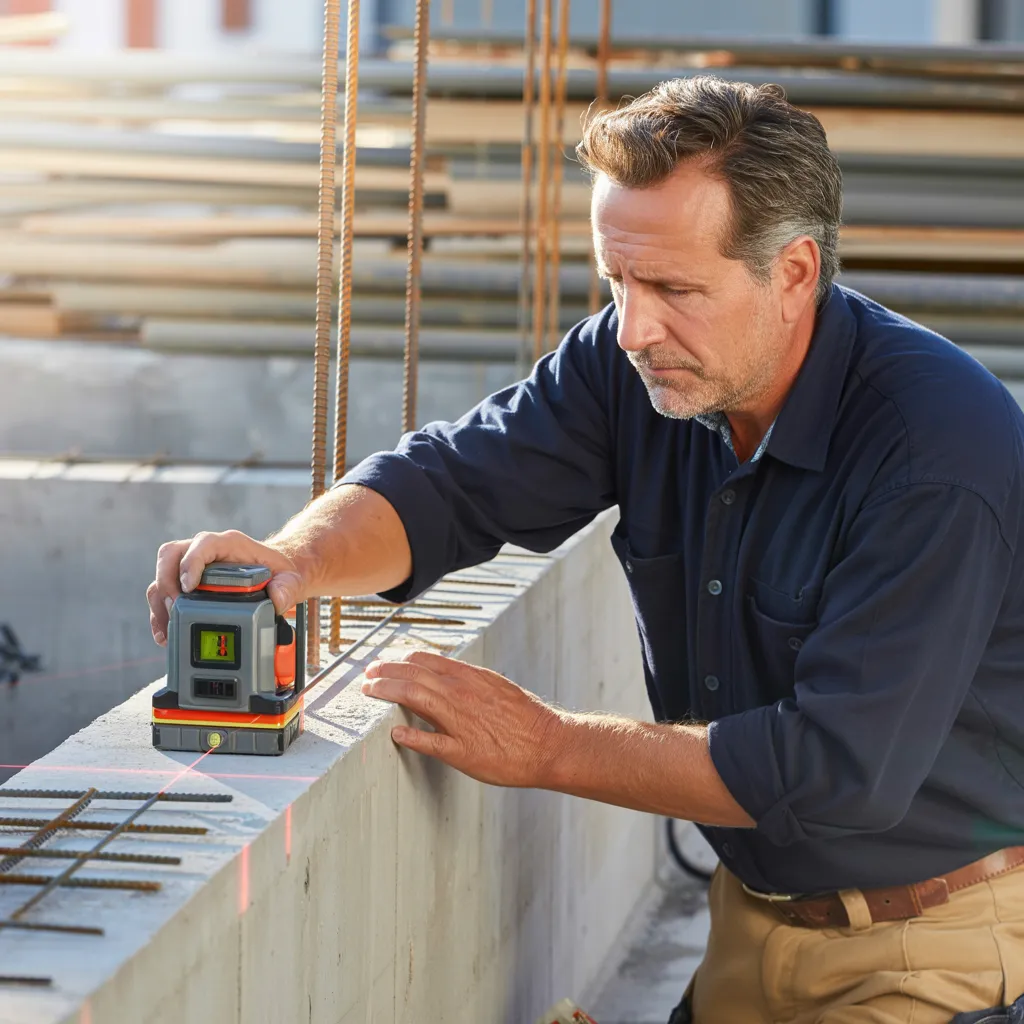
Selecting an appropriate construction professional for a home project is a critical decision. This requires thorough evaluation of various factors, including expertise, credentials, and communication skills. Numerous property owners miss important details, leading to costly mistakes. Understanding how to evaluate potential contractors can make a significant difference. By concentrating on essential criteria and posing appropriate inquiries, one can navigate this complex process more successfully. What are the key steps to ensure a successful partnership?
How to Avoid Common Mistakes When Choosing a Contractor
When choosing a builder, how can one navigate the countless of options without encountering common traps? corresponding information Prospective clients often ignore crucial aspects that can bring about unsatisfactory outcomes. First, relying solely on price can be unreliable; the lowest price may reflect poor standards or hidden costs. Additionally, failing to look at recommendations or online reviews can result in selecting a contractor with bad reputation. It is also necessary to avoid selecting just by personality; a likable contractor may not have the right qualifications or dependability. Moreover, overlooking the importance of clear dialogue and standards can lead to misunderstandings and dissatisfaction. Finally, skipping detailed contract reviews before committing can cause unforeseen responsibilities or insufficient safeguards. By being careful and knowledgeable, homeowners can make more confident decisions, finally achieving a positive result.
Things to Evaluate in a Contractor's Track Record
When reviewing a contractor track record, many important considerations apply. Experience from similar projects, industry certifications, and an extensive portfolio of completed work represent critical indicators of their strengths. Assessing these features can present valuable insights into the contractor appropriateness for the specific project at hand.
Applicable Project Experience
Recognizing a contractor's related expertise is vital for securing the success of any building endeavor. Prospective clients should evaluate the contractor's portfolio, prioritizing on finished projects similar in scope and style to their own. This entails inspecting the standard of craftsmanship, adherence to timelines, and budget management in former ventures. Also, it is beneficial to question about the categories of materials employed and the contractor's familiarity with local building codes and standards. Client feedback and references from earlier clients can supply insights into the contractor's reliability and people skills. Ultimately, a contractor with substantial applicable experience can navigate issues successfully, making sure the project achieves the homeowner's expectations and criteria.
Industry Credentials And Licenses
Certification and licensing function as critical markers of a contractor's professionalism and expertise in the construction industry. When choosing a general contractor, it is vital to verify that they have the required permits required by local and state regulations. These licenses show compliance with building codes and safety standards. Additionally, industry certifications, such as those from the National Association of Home Builders or similar organizations, indicate a contractor's commitment to quality and ongoing education. Contractors with specialized certifications may also possess expertise in specific areas, such as green building or remodeling. Ensuring that a contractor has the appropriate credentials not just enhances confidence in their capabilities but also minimizes potential legal and financial risks during the project.
Portfolio Of Done Work
A service provider's portfolio of finished work serves as an important tool for assessing their experience and capabilities. This selection ought to showcase a diversity of projects, demonstrating versatility in multiple styles and complexities. When considering a portfolio, potential clients must focus on high-quality photographs that accurately depict the craftsmanship involved. It is also beneficial to see projects that match the homeowner's specific needs or style choices. Attention to detail, original approaches, and meeting deadlines are key indicators of a contractor’s competence. Additionally, client reviews or case studies featured in the portfolio can offer more understanding of the contractor's work ethic and dependability. Ultimately, a comprehensive portfolio helps homeowners take informed decisions regarding their forthcoming projects.
Methods to verify Your Contractor's Qualifications and Permits
It is essential to check a general contractor's credentials and licenses before engaging their services, validating they meet industry standards. Consult regional licensing authorities to validate the contractor holds the proper documentation needed for your area and project type. Understanding that each state maintains its own requirements can avert future complications.
Moreover, inquire about insurance coverage, including liability and workers' compensation, to assure safeguarding against possible accidents or damages. Request references from previous clients and follow up to measure satisfaction and reliability.
At the end, examine any credentials the contractor may have, as these often demonstrate specialized training and adherence to industry best practices. A systematic verification process not only maintains compliance but also strengthens confidence in the contractor's ability to deliver the project successfully.
Why Strong Communication Is Key in Your Contractor Professional Relationship
Strong dialogue plays a vital role in the contractor-client partnership, shaping the project's achievement from day one. Open dialogue establishes expectations, timelines, and budgets, ensuring both parties maintain alignment on the project's goals. When clients articulate their vision with clarity, contractors can provide informed recommendations and solutions, enhancing the overall outcome.
Regular updates and transparent dialogue enable rapid handling of problems as they occur, reducing potential delays. Additionally, a service provider who listens and reacts to customer input builds trust, which is crucial for teamwork.
Additionally, effective communication helps with managing changes and unexpected challenges, maintaining the project on track. It enables the construction professional to adapt methods based on customer feedback, securing contentment across all phases. Finally, emphasizing communication not only strengthens the contractor-client relationship but also significantly supports the effective completion of the home project.
Critical Questions to Discuss with Your Construction Professional during Initial Sessions
During early meetings with a contractor, clients need to pay attention to understanding their skill set and credentials. It is necessary to review the project timeline and budget to ensure alignment with the client's standards. These questions lay a foundation for a successful partnership and successful project management.
Background and Qualifications
Picking a primary contractor is based on evaluating their track record and qualifications. Homeowners should raise inquiries about the contractor's years in the industry and the types of projects they have carried out. Essential questions about authorizations, credentials, and insurance are imperative, as these guarantee compliance with local regulations and provide protection during the project. Moreover, reviewing past work through showcases or references can shed light into the contractor's craftsmanship and steadfastness. It is additionally valuable to ask about their familiarity with equivalent assignments, as this can indicate their capability to handle specific challenges. Ultimately, reviewing a contractor's expertise and background fosters confidence and helps homeowners choose wisely when planning their home work.
Project Plan and Financial Allocation
How can property owners ensure their undertaking stays on budget track and temporally when meeting with a construction contractor? To preserve consistency, they should ask important questions during first consultations. Homeowners must inquire about the projected schedule for project completion and any potential delays that could occur. Understanding the contractor's approach to managing schedules is crucial. Additionally, addressing the budget upfront is vital; homeowners should obtain clear information on cost estimates, payment plans, and any included contingencies for unexpected costs. Asking about past work can offer understanding into the contractor's reliability in meeting deadlines and maintaining budget constraints. By creating open dialogue regarding timelines and finances, homeowners can cultivate a productive relationship with their contractor, improving the probability of a successful project.
Advice on Checking References and Reading Reviews
What steps should one take to guarantee a general contractor is trustworthy? First, it is important to ask for a list of references from potential contractors. A reputable contractor will willingly provide names and contact information of previous clients. One should contact these references to question their experiences, focusing on aspects such as communication, quality of work, and punctuality.
Furthermore, reviewing online opinions on services like Google, Yelp, or Angie's List can deliver beneficial details. It is essential to search for common patterns in the reviews—steady positive or negative feedback can reveal credibility or potential concerns.
Moreover, checking for any issues filed with local licensing boards or consumer protection agencies can reveal a contractor's track record. Finally, asking for latest project pictures can assist in assessing the quality of their work. By following this process, one can make a more informed selection when choosing a building contractor.
Grasping Contractor Cost Structure and Settlement Arrangements
Homeowners should also get to know frequent payment terms. Most contractors require a front-end deposit, then followed by progress payments corresponding to work phases. It's critical to go over these terms before signing a contract to avoid misunderstandings. Additionally, homeowners should ask about potential additional costs, such as permits or unexpected repairs. Clear dialogue pertaining to pricing and payment terms will support a transparent working relationship, ultimately guaranteeing a successful project result. Grasping these factors equips homeowners to select appropriately when picking a general contractor.
Frequently Requested Questions
How considerable time will it need to complete the project?
The timeline of the project tends to vary according to how complex and extensive the project is. As a rule, completion may require multiple weeks or several months. Weather conditions, material supply, and workforce resources can greatly impact when the work completes.
What Occurs if Unforeseen Issues Emerge During Project Work?
If unforeseen problems arise during construction, the contractor usually assesses the situation, discusses with the homeowner, and proposes remedies. Modifications to the schedule and costs may be required, guaranteeing openness throughout the project.
Will My Project Need Permits or Inspections?
Most projects demand permits along with inspections to guarantee compliance with local building codes. It is essential to consult with a general contractor who understands these regulations, as they can navigate the permitting process efficiently.
How Do Subcontractors and Their Payments Managed By You?
A reputable construction manager manages sub-contractors by establishing clear contracts outlining compensation schedules. They guarantee timely payments, keep open communication, and monitor sub-contractor productivity, fostering a collaborative environment that contributes to project success and efficiency.
What Is Your Position on Project Changes or Upgrades?
The contractor executes a flexible approach regarding project modifications, mandating official documentation for any alterations. They affirm clear communication, assess monetary ramifications, and revise timelines accordingly to address the customer's variable requirements and preferences.